Kimberly’s breast cancer journey in Austin
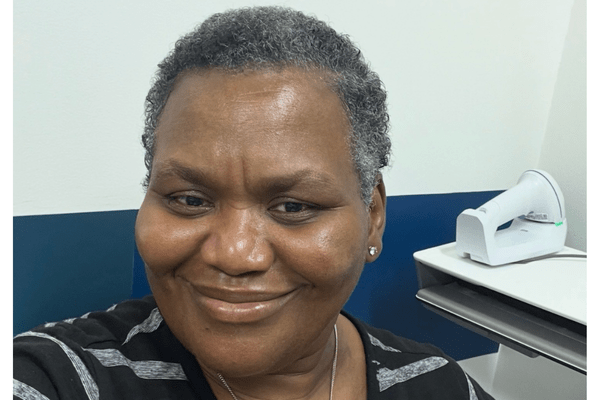
Kimberly found personalized breast cancer care, compassionate support and hope at the Breast Cancer Center at Ascension Seton Medical Center Austin after her June 2025 diagnosis.
After a triple-negative breast cancer diagnosis in June 2025, Kimberly began a yearlong journey of chemotherapy, surgery, radiation and immunotherapy at the Breast Care Center at Ascension Seton Medical Center Austin. She completed the bulk of her treatment in June 2026. Her response to therapy was excellent, and she is now looking ahead with gratitude, practical wisdom and a desire to encourage other women and families facing breast cancer.
Facing an aggressive breast cancer diagnosis
When Kimberly first heard the words “breast cancer,” her thoughts went immediately to her children—especially her 27-year-old daughter, who was seriously injured by a drunk driver at age 13 and requires total care. As her daughter’s primary caregiver, Kimberly wondered how she could manage cancer treatment while continuing to care for her daughter.
“My first thought was, how am I going to go through cancer treatment and still take care of her?” Kimberly shared.
Learning that she had triple-negative breast cancer made the diagnosis even more frightening. Triple-negative breast cancer is an aggressive subtype that requires a personalized treatment plan based on the characteristics of the cancer and the patient’s individual needs.
“Everything seemed to move so fast,” she said. “One minute I was living my everyday life. The next, I was discussing chemotherapy, surgery, radiation and immunotherapy.”
For many patients, the first steps after a diagnosis can include additional imaging, biopsies, laboratory testing, genetic counseling or other evaluations. Understanding the diagnosis helps the care team recommend treatment options that are appropriate for each patient.
At the Breast Cancer Center at Ascension Seton Medical Center Austin, patients have access to comprehensive breast imaging and diagnostic services, including mammograms, 3D mammography, breast ultrasound and breast biopsies. The center is accredited by the National Accreditation Program for Breast Centers.
Kimberly knew the road ahead would be long, but she focused on taking it one day at a time. “I knew there would be challenges, but I was determined to get through it,” she said.
Finding hope while caring for others
Kimberly drew strength from her faith in God and from her children, grandchildren, family and friends. She reminded herself that cancer was a season in her life—not her whole life.
As someone accustomed to caring for everyone else, she also learned that accepting care for herself was essential. Some days she could follow her normal routine. On others, fatigue made even simple tasks difficult.
“I had to learn that it was okay to rest,” Kimberly said. “Everything didn’t have to get done that day.”
Because her daughter still depended on her, Kimberly tried to keep their routine as normal as possible. Planning ahead and accepting help became important parts of getting through treatment.
Her practical advice for others preparing for treatment includes doing a deep cleaning before treatment begins, keeping easy meals, soups and shakes available, and packing a small bag with essentials for appointments or unexpected hospital visits.
“Those little things can make a big difference,” she said. “Give yourself some grace. Rest when you need to, accept help when it’s offered and celebrate every milestone. Every treatment completed is one step closer to the finish line.”
A coordinated approach to breast cancer care
Breast cancer treatment may include medical therapy, surgery, radiation therapy or a combination of treatments. Depending on the diagnosis, medical therapy may include chemotherapy, immunotherapy, hormone therapy or targeted therapy.
At Ascension Seton, breast surgeons, medical oncologists, radiation oncologists, radiologists, pathologists, nurse navigators, genetic counselors, physical therapists, social workers, dietitians and other specialists work together to support patients throughout treatment.
Kimberly appreciated how quickly her care began to move after her diagnosis. Her primary care doctor called the Breast Cancer Center while Kimberly was still in the office and told her to keep her phone nearby. The center called, and within days she had an appointment.
From the beginning, the care team explained the plan for chemotherapy, surgery, radiation and immunotherapy. Team members answered her questions, helped her understand what to expect and moved quickly to complete the additional testing needed before treatment could begin.
Access to a nurse navigator was especially valuable. Kimberly could send a text when she had a question or concern, and her team listened when she experienced side effects. They understood that she was both a patient and a full-time caregiver.
“I’m truly thankful for the care, compassion and support I’ve received throughout this journey,” she said.
Personalized support through every stage
When surgery is part of a breast cancer treatment plan, patients may discuss options such as breast-conserving surgery, mastectomy or breast reconstruction with their care team. Treatment plans are customized for each patient based on the type and stage of cancer, overall health and other individual factors.
Throughout treatment, nurse navigators and other care team members can help patients understand appointments, test results and next steps. They can also connect patients with support services and survivorship resources.
For Kimberly, personalized care also meant recognizing the demands of caregiving. Scheduling appointments was not always easy, but her team made an effort to work around her responsibilities whenever possible.
“What meant the most to me was that they didn’t just treat my cancer,” she said. “They cared about me as a person. They listened to my concerns, answered my questions and supported me through difficult days. I never felt like just another patient.”
A message of hope for other patients
The Breast Cancer Center at Ascension Seton Medical Center Austin is part of a broader commitment to breast cancer care across Ascension Seton and Ascension Providence. Breast cancer centers across the organizations help connect patients with specialists, diagnostic services, treatment options and supportive care.
Kimberly encourages anyone facing breast cancer to ask questions, speak up about concerns and use the support available to them. She believes it is important to have a medical team you trust—from doctors and nurses to medical assistants, front-desk staff and everyone else involved in care.
“Compassion matters as much as medical care,” she said. “When you’re facing something as frightening as cancer, the way people treat you can make a world of difference.”
After completing the bulk of her treatment, Kimberly is entering a new chapter. She hopes her experience encourages other patients and families to move forward with hope, give themselves grace and find a knowledgeable, compassionate team.
Every breast cancer journey is different. If you or someone you love has been diagnosed with breast cancer, talk with a healthcare provider about screening, diagnosis and treatment options. A breast cancer care team can help explain the next steps and create a plan based on your needs.
Schedule breast cancer care at Ascension Seton Medical Center Austin
Screening and treatment recommendations vary by individual. Talk with your healthcare provider about the care that is right for you.
Last updated: October 30, 2026